Exit and discovery
Establish the current-state baseline, contractual obligations, data ownership, service dependencies, asset condition, staff transfer position, and incumbent exit obligations.
ITAS GLOBAL supports transport authorities, operators, and suppliers through the controlled transition of end-to-end ticketing, revenue collection, customer, back office, and operational management systems from incumbent providers to new delivery partners.
London, New South Wales, Atlanta, and Boston demonstrate that ticketing change is not simply a technology replacement. It is a multi-party operational transition that touches customers, staff, data, contracts, field equipment, payment channels, revenue assurance, and live service continuity.
The incumbent may control or operate customer accounts, fare media, contactless payment services, settlement, concessions, refunds, inspection tools, reporting, operational dashboards, device estates, data stores, field maintenance processes, and service management routines. Transition therefore requires a structured exit and entry model that protects live operations while enabling supplier change.
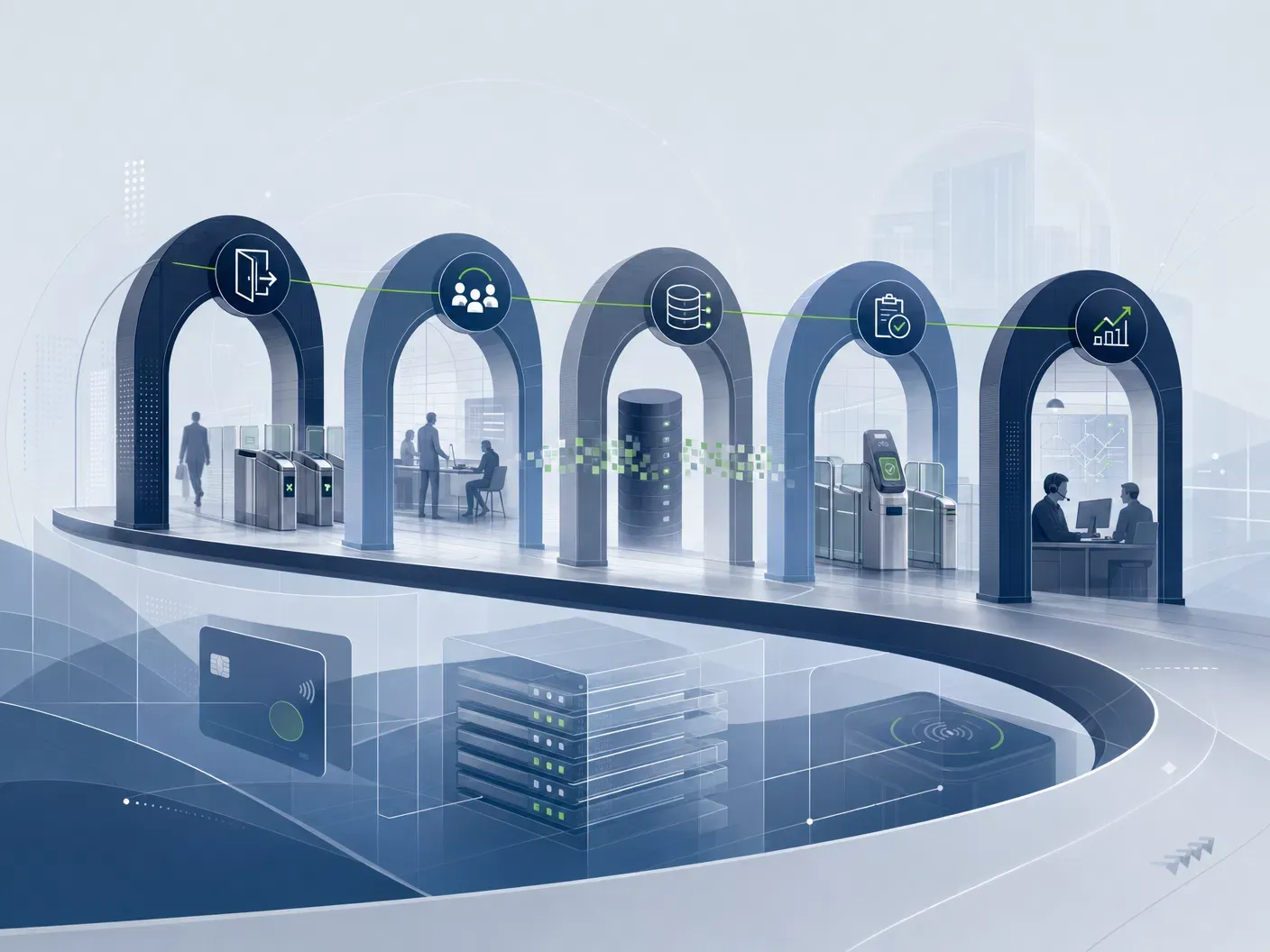
Establish the current-state baseline, contractual obligations, data ownership, service dependencies, asset condition, staff transfer position, and incumbent exit obligations.
Create a joint transition model with clear decision rights, risk ownership, assurance gates, dependency control, stakeholder cadence, and senior escalation routes.
Control migration of customer accounts, fare products, concessions, payment tokens, balances, transaction history, reporting data, and retention obligations.
Prepare contact centres, field maintenance, revenue protection, incident management, customer communications, training, payment operations, and support processes.
Manage pilot, migration, parallel running, cutover, rollback readiness, hypercare, service reporting, benefits tracking, and post-transition optimisation.
ITAS GLOBAL provides independent transition advisory, operational blueprints, supplier-side and authority-side readiness support, and delivery assurance. We help clients define the transition model, expose hidden dependencies, structure governance, validate readiness, and maintain focus on customer and operational outcomes.
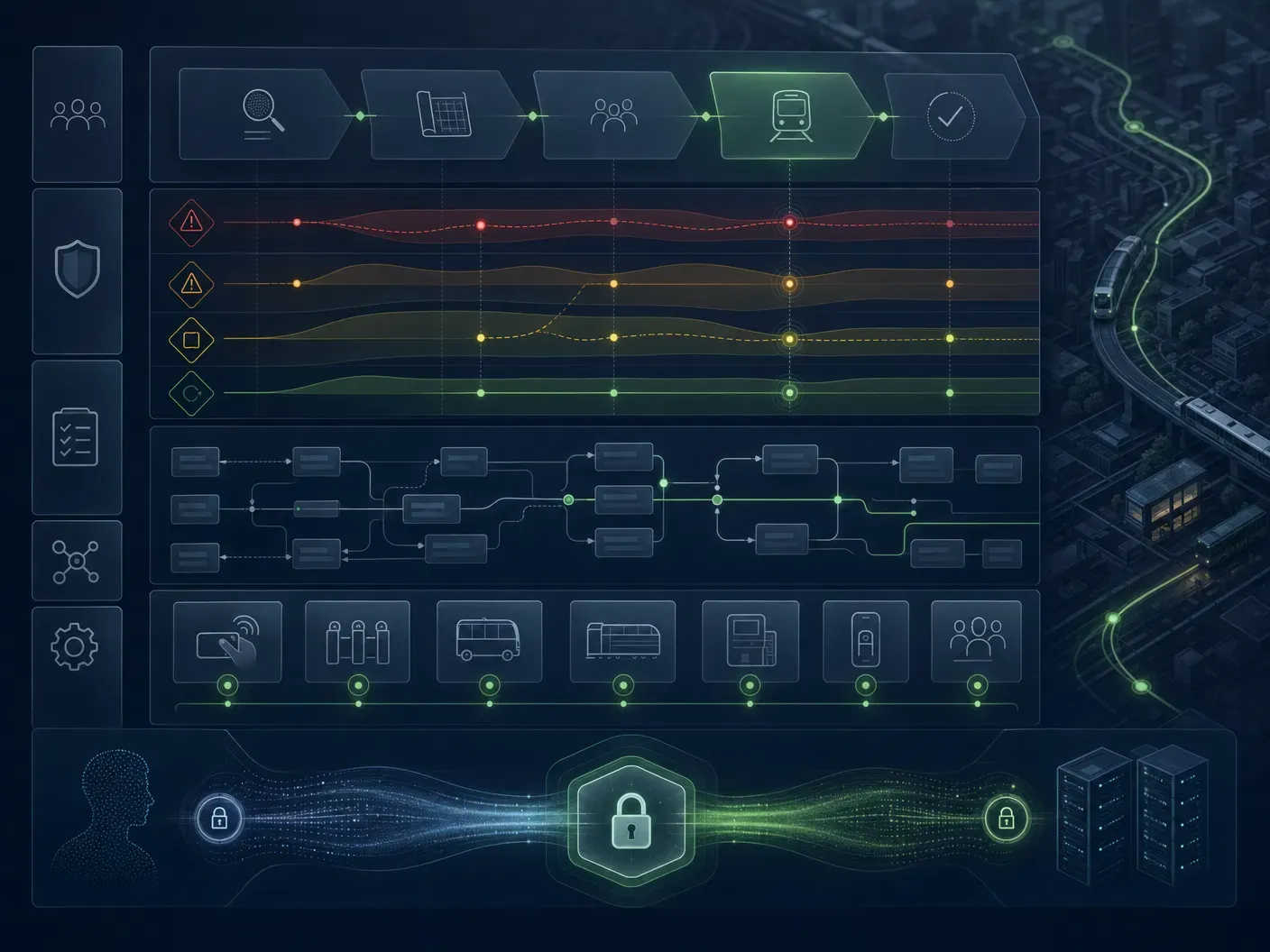
Exit obligations, new supplier mobilisation, service levels, acceptance criteria, warranties, and retained obligations.
Customer data, fare products, device estates, integrations, cyber controls, payment compliance, and reporting continuity.
Service desk, field maintenance, revenue protection, customer support, staff readiness, incident response, and operating procedures.
Passenger communications, accessibility, concession handling, refund paths, vulnerable user support, and political stakeholder confidence.
Pilot strategy, transition gates, readiness evidence, rollback planning, defect triage, hypercare, and stabilisation governance.

Transport for London has awarded Indra a seven-year contract to operate the Oyster and contactless ticketing system, replacing long-standing operational arrangements and demonstrating the importance of continuity, mobilisation, and service assurance.
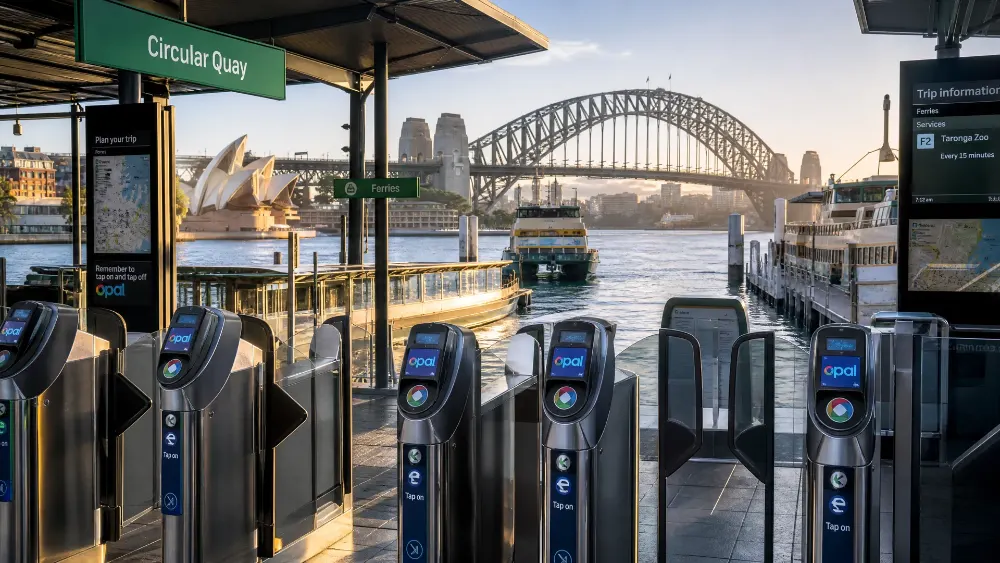
The Opal upgrade programme illustrates the breadth of ticketing transformation, including account-based capability, payment choice, customer channels, and the need to manage change across live operations.
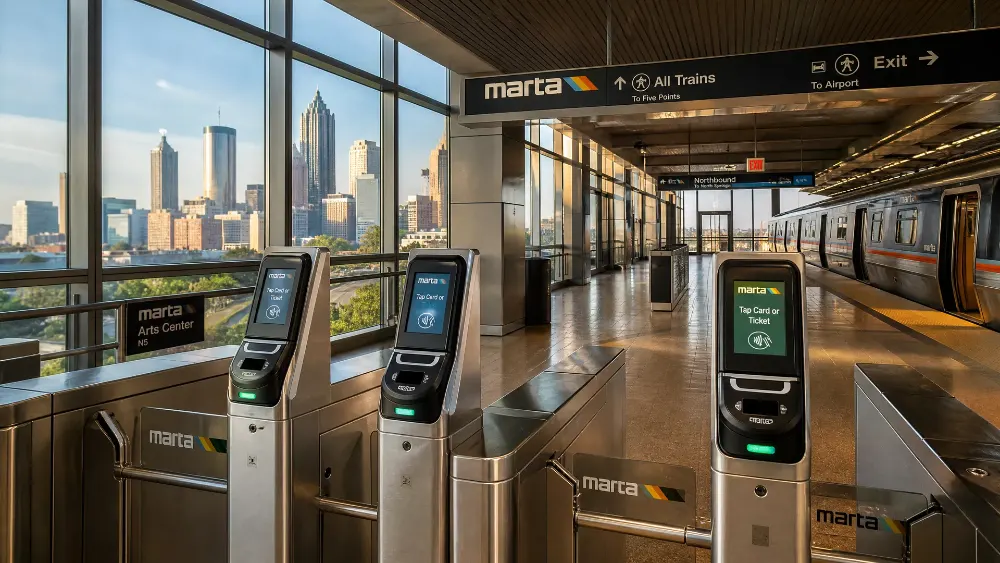
MARTA is replacing its fare collection equipment, fare media, and mobile app, creating a visible customer migration challenge as well as a technical and operational transition programme.
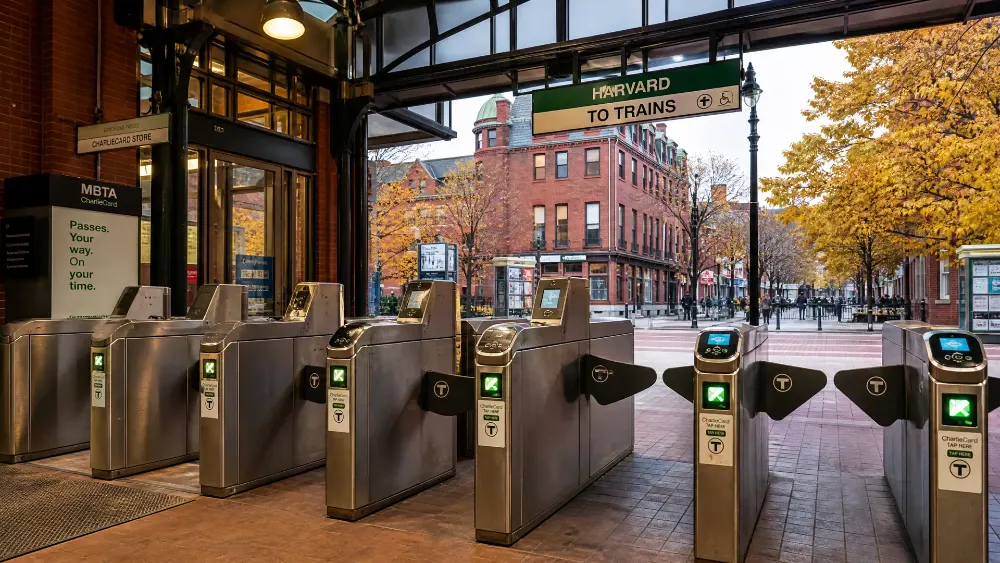
The MBTA's phased fare transformation shows how modernisation must sequence devices, payment options, account management, customer testing, and multi-mode readiness.
Customers can continue to travel, pay, resolve issues, and access concessions throughout transition.
Incumbent exit and new supplier mobilisation are managed through evidence-based gates and accountable governance.
Payment, settlement, reporting, and customer data controls remain intact during migration and cutover.
Frontline teams, contact centres, maintainers, and delivery teams understand what changes, when, and how issues are managed.
Programme sponsors receive clear decision information, readiness evidence, and early warning of delivery risk.
Complete the assessment to structure an initial enquiry for ITAS GLOBAL. The result is indicative and is designed to identify where independent transition assurance, readiness planning, or cutover control may be required.
ITAS GLOBAL can help define the transition roadmap, assurance model, and operational readiness approach before contractual or technical risk becomes live service risk.